
What happens if you’re underinsured or overinsured at claim time?

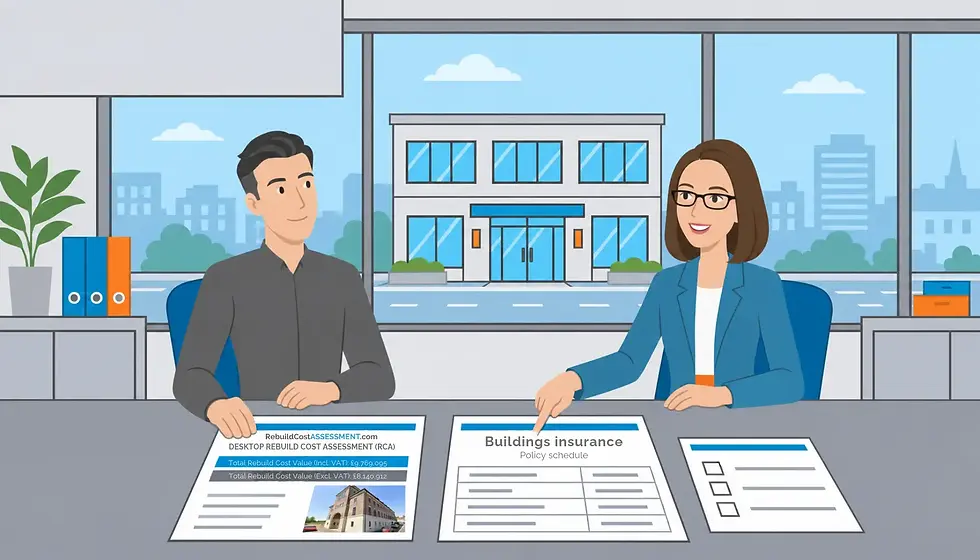
Say a fire damages a commercial building and the repairs come to £100,000. The building is insured for £750,000. That’s the amount of coverage for the building itself, often called the buildings sum insured.
You might expect the insurance to cover the repair bill. After all, it’s well below £750,000. But if the building would cost more than that to rebuild completely, the owner could still have to find some of the money for the repairs.
It depends on the policy. Some allow the insurer to reduce a claim when the building is underinsured, even if only part of it has been damaged.
Being insured for too much can be costly too. You may be paying more for insurance without getting a larger payment when you claim.
Start with what it would cost to rebuild
If you’ve just bought a building and are looking to insure it, the amount you bought it for won’t tell you what it would cost to rebuild. Rebuilding can also mean paying to demolish damaged parts, clear the site and cover professional fees, alongside the construction work.
Your broker can help you check how that rebuild cost should be used in your policy. It’s worth doing, because the figures on insurance documents don’t always include the same things.
Even a smaller repair bill can leave a gap
Suppose the building we started with would cost £1 million to rebuild. With a buildings sum insured of £750,000, it’s insured for 75% of what’s needed.
In this made-up example, the policy includes an average clause. Despite the name, this has nothing to do with the average size of a claim. It can allow the insurer to reduce a claim in line with how much the building is underinsured.
Here’s how that could affect the £100,000 repair bill:
£750,000 divided by £1 million is 75%.
75% of the £100,000 repair bill is £75,000.
The owner would have to find the remaining £25,000, before allowing for the policy excess.
The excess is the amount you pay towards a claim yourself. That would also need to be taken into account when working out the final payment.
We’ve kept this example simple. Both building values include the same costs, and we’ve assumed no other policy terms or inflation allowances change the result. Your own policy may work differently.
For this owner, the problem is finding £25,000 they thought their insurance would pay. They’ll also want to understand why the payment falls short when the repair bill is so far below the amount shown on the policy.
The first answer isn’t always the final one
A case published by the Financial Ombudsman Service shows why it’s worth looking closely at the explanation you’re given.
Water had damaged several rooms in Barry’s home. He’d given a rebuild cost of £400,000, based on what a neighbouring property had sold for. The insurer’s loss adjuster, who looked into the claim, put the rebuild cost at around £800,000.
The insurer used the average clause to cut the claim payment by 50%. Barry complained.
The Ombudsman agreed that his estimate was unreasonable, given the clear question and guidance he’d received. But it said the insurer should pay more. The reduction should reflect the premium Barry had paid compared with what he should have paid, rather than the percentage of underinsurance.
This was a home insurance case, so it doesn’t tell us how a commercial claim would be settled. It does show why the policy details and the insurer’s reasons deserve a closer look.
What if the building is insured for too much
Now imagine a commercial building is insured for more than it would cost to rebuild. After major damage, the owner expects to receive the higher amount on the policy.
If the policy pays the covered cost of rebuilding, that higher amount doesn’t itself mean a bigger payment. What the insurer pays depends on the damage and the policy terms. The owner may also have paid more in premiums than necessary, although that needs checking with the insurer.
Before lowering an amount, though, check what it includes. Some policies use day-one cover. They start with the rebuild cost at the beginning of the insurance period, called the declared value, then add an allowance for inflation to reach the sum insured.
That allowance is there for a reason. Ask your broker to check the figures before deciding that the building is overinsured.
Have a chat with your broker before you need to claim
A useful place to start is where your current rebuild cost came from and when it was last assessed. Let your broker know if you’ve extended the building or changed how it’s used.
RebuildCostASSESSMENT.com can provide a current rebuild cost estimate and explain the building details and assumptions behind it. A Desktop Assessment uses available property information without a site visit. Where an on-site review is needed, a Site Assessment may be suitable.
Your broker can then explain how the assessment fits with your policy. It won’t guarantee a claim payment or lower premiums, but it gives you something clearer to discuss. If you’re unsure how your building’s insured amount was worked out, speak to your broker about arranging an appropriate professional rebuild cost assessment.
This article provides general information. Cover and claim payments depend on the policy terms and individual circumstances. Discuss decisions about your insurance with your broker.


