
Commercial building valuation for insurance explained


What’s included in a commercial building insurance valuation?
You probably already know that rebuild cost is a key figure when looking at your commercial property insurance cover. You may have tried online calculators or looked into how rebuild cost differs from market value. But even with that background, many owners don’t realise how much detail goes into getting it right.
Our latest data shows that 79% of commercial properties are underinsured, with an average shortfall of 63%. This is the result of underestimating the complexity involved in getting the sum insured right. And with commercial building insurance rates rising across the UK, that shortfall could cost you far more than expected if you ever need to claim.
This guide will walk you through the main parts of a rebuild cost. It will show what’s included, what’s often missed, and why expert insight is essential. With the right commercial building insurance valuation, you can protect your property and make sure your insurance does exactly what it should.
Pre-construction & site access costs in rebuild valuations
Before any rebuilding can begin, the site must be made safe and ready. This stage often involves significant costs, many of which are missed or misjudged by generic rebuild calculators.
Demolition & Site Clearance
Safe dismantling: Taking down a building safely is complex. It requires skilled teams and detailed planning.
Waste disposal: The cost depends on how much debris there is and what it’s made of. Some materials are more expensive to get rid of.
Site preparation: The land must be levelled, and work like drainage or trenching completed before new construction begins.
Access issues
If the site is in a tight or busy area, access can be a major problem. Narrow roads, low bridges, or weight limits often mean using smaller machines or extra equipment, which adds cost and time.
Why this matters:
These early-stage costs can make up a big part of your total rebuild cost. As they vary by site, generic calculators often miss them. Only a detailed assessment can get them right.
RICS guidance is clear: demolition, clearance, access issues, and early-stage costs must be included in a proper rebuild insurance valuation.
Professional fees and regulations that shape your rebuild cost

Rebuilding isn’t just about bricks and labour. Before anything starts, there are expert services to pay for and rules you must meet. These parts of the total cost are required by law and can be expensive, but they’re often missed or guessed at.
At RebuildCostASSESSMENT.com, we use a traditional lump sum method to estimate how long a rebuild would take. This approach gives one clear cost for the full project. It may cost more than other methods, like management contracting, but it helps us provide a total rebuild figure that’s easy to understand and use for insurance.
Professional Fees
To carry out a rebuild safely and legally, you’ll likely need:
Architects – to design the building and handle planning.
Structural Engineers – to check the building is safe and strong.
Quantity Surveyors – to manage costs and materials.
Project Managers – to keep the rebuild on track.
Planning Consultants – to help get permissions, especially in tricky areas.
Legal Advisors – to deal with land, contracts, or disputes.
Legal Rules and Safety Standards
Buildings must meet today’s stricter safety and energy rules:
Building Safety Act 2022 – Tall buildings often need two staircases, sprinklers, fire doors, and fire-safe materials. These changes increase the cost. More on cladding and high-risk buildings here.
Energy Efficiency Laws – New rules may require triple glazing, better insulation, or heat pumps. More on energy-efficient rebuilds here.
We also factor in rules specific to certain industries. For example, care homes must follow Care Quality Commission (CQC) standards, and food businesses must meet Food Standards Agency (FSA) rules. These legal requirements often add to the rebuild cost.
Why this matters
These costs are not optional. They are often the biggest part of a rebuild cost, but they’re also the easiest to miss if you’re not a professional. That’s how underinsurance happens.
Case Study – Bouverie Court, Bristol
In 2021, serious safety problems were found in a building completed in 2011. Fixing them would cost £4 million, so the owners chose to knock it down. A rebuild now would need to follow today’s strict rules, meaning much higher costs. This shows why rebuild estimates must be based on current law, not old figures.
RICS advice – summarised in our reinstatement cost assessment guide – is clear: proper rebuild assessments must include expert fees and the cost of meeting all safety and energy rules.
Construction and material costs that vary by property
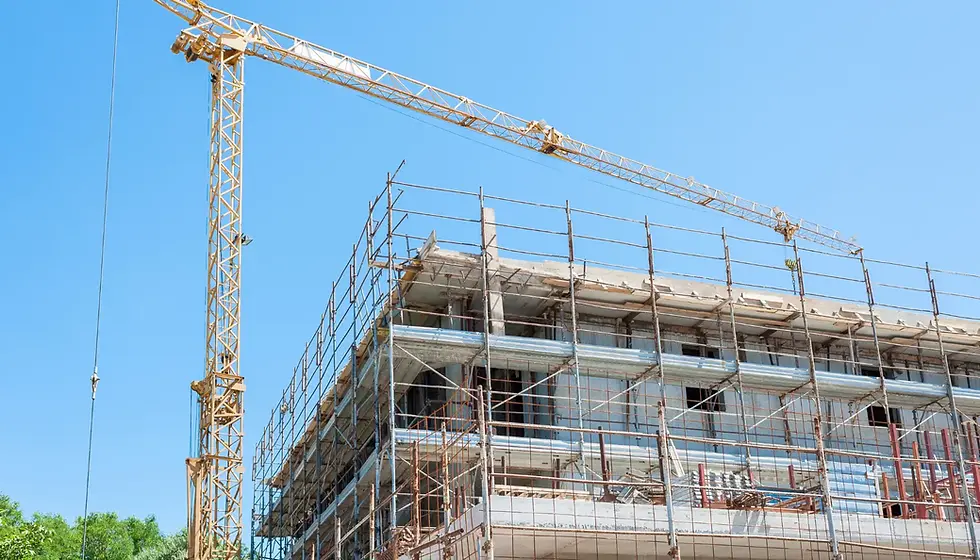
With the site ready and rules in place, we now look at the most visible part of a rebuild: the building itself. But even this stage has many hidden variables.
Labour and materials
Where you build matters: Labour and material costs vary widely across the UK. Professionals use the BCIS Location Index to adjust for this. For example, Kensington is much higher than average, while rural Pembrokeshire is lower.
What you build with: Basic finishes cost less than high-end ones. Specialist features – like custom stonework, bespoke cladding, or commercial flooring – can increase costs.
How it’s built: Complex layouts, basements, or specialist equipment (like large HVAC systems) need more labour and materials, pushing the price up.
Listed buildings often cost more to rebuild. In some cases, Historic England may require the use of traditional materials and techniques, which adds to both time and expense. Delays can also happen if specialist materials or skilled contractors are hard to find.
External features
Rebuild costs don’t stop at the main structure. You may also need to include:
Car parks or driveways
Fences, gates, and walls
Landscaping that adds to the property’s function (we do not include soft landscaping, ponds etc)
VAT and why specialist advice matters
At RebuildCostASSESSMENT.com, we provide expert advice on how much it would cost to rebuild your property. But we do not offer financial advice as we are not regulated by the Financial Conduct Authority (FCA). So we cannot advise on VAT.
Instead, we include two figures in our reports: one with VAT and one without. This gives your insurance broker or provider the details they need to advise you properly.
If you're unsure about VAT, your broker or insurer is the best person to help.
Why rebuild time affects your insurance and income protection
When your property has been professionally assessed for its rebuild cost, there’s another key factor to consider: how long the rebuild could take.
Every RebuildCostASSESSMENT.com report includes an estimate of how long it would take to fully rebuild after a major loss. This figure is vital for setting the right length of Business Interruption (BI) insurance or loss of rent protection.
If the time needed is underestimated, your BI cover could run out before your business is ready to reopen. That means lost income and no financial support when you may need it most.
A complete rebuild assessment gives you not just a cost, but a realistic timeline. This helps ensure your insurance matches the true risk, protecting both your property and your income.
Why our RICS-regulated assessments outperform rebuild cost calculators
Online tools such as a free commercial buildings insurance rebuild cost calculator may seem quick and easy, but they often miss the mark. They can’t account for the many detailed factors we've covered in this guide. These include demolition, new regulations, complex building features, VAT rules, and how long a rebuild might take. It’s no surprise that 79% of commercial properties are underinsured.
RebuildCostASSESSMENT.com offers a more accurate and trusted solution.
Regulated by RICS: We’re a firm regulated by RICS (Royal Institution of Chartered Surveyors). This means we follow strict standards for accuracy and professionalism.
Three ways to get assessed:
Desktop Assessment: Ideal for most standard buildings up to £12 million. Fast, accurate, and affordable with no site visit needed.
Enhanced Commercial Desktop: For more complex cases, we include a phone consultation with one of our surveyors to gather extra details, without the cost or delay of a site visit.
Site Assessment: For high-value or unique properties, we visit the building and combine what we see with our expert data analysis.
Clear, insurer-ready reports: Every report includes all the key costs: demolition, professional fees, compliance updates, external works, VAT, and rebuild timelines.
We take the guesswork out of the process. Our assessments give you the accurate figure your insurer needs, so your property is properly protected, no matter how complex it is.
Get the right rebuild cost and the right cover
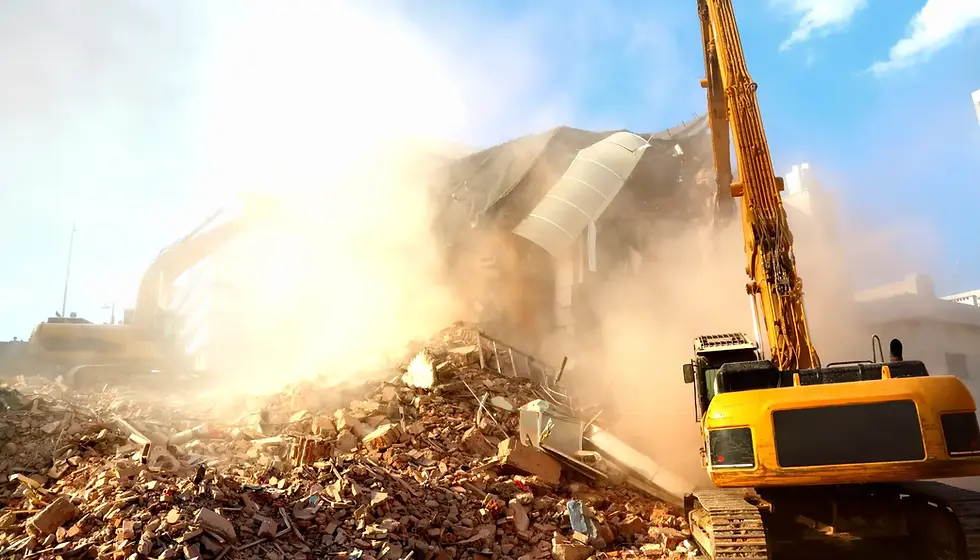
Getting your rebuild cost right isn’t a nice-to-have – it’s essential, especially if you’re relying on accurate commercial building landlord insurance to protect your asset. When your property is at risk, you need full and accurate cover to ensure your sum insured reflects the full rebuild cost and not an outdated or underestimated figure.
RebuildCostASSESSMENT.com provides trusted, insurer-approved valuations. As a RICS-regulated firm, we make sure your sum insured reflects real-world costs, not old figures or online guesses.
Protect your property with confidence. Start your Rebuild Cost Assessment today.
Other Helpful Resources
Important disclaimer: The information provided here is for general informational purposes only and is not intended as professional advice. While we strive to ensure all information is accurate and up-to-date, the content may not reflect the most current legal or regulatory developments, standards, or practices. No representations or warranties are made (express or implied) about the accuracy of the information provided, and reliance on this information is strictly at your own risk.
We do not offer financial advice and nothing within this content should be construed as such. We recommend consulting with a qualified professional who can provide tailored advice based on your individual circumstances before making any decisions related to insurance.
Please note that we are not regulated by the Financial Conduct Authority (FCA) and as such, are not qualified to provide specific financial or insurance advice. Please see our footer for further information about us, including our website terms of use, privacy policy and more.


